
The Maya Forest, which stretches across Belize, Mexico, and Guatemala, has just received a historic layer of protection. The three countries recently came together to create the Biocultural Corridor of the Great Mayan Forest (CBGSM – or Corredor Biocultural de la Gran Selva Maya in Spanish). It’s a groundbreaking visionary conservation initiative that aims to safeguard one of the most important tropical forests in the Americas.
A New Era of Protection for The Maya Forest

Spanning more than 13 million acres, the Maya Forest is the largest remaining tropical forest north of the Amazon. Meanwhile, the new trinational reserve is now the largest protected area in the Americas after the Amazon, set to safeguard some 5.7 million hectares of forest. It consists of 11 protected areas in Belize, 27 in Guatemala, and 12 in Mexico. Through their trinational agreement, the three neighboring countries are joining forces to ensure the forest remains resilient against deforestation, climate change, and other threats.
The Maya Forest serves as a home to an incredible array of biodiversity, including jaguars, tapirs, scarlet macaws, and countless other species that depend on these connected habitats for survival. For centuries, it has also been a living cultural landscape, holding deep ties to Maya heritage and history.
Champion Conservation With Us at Chan Chich Lodge
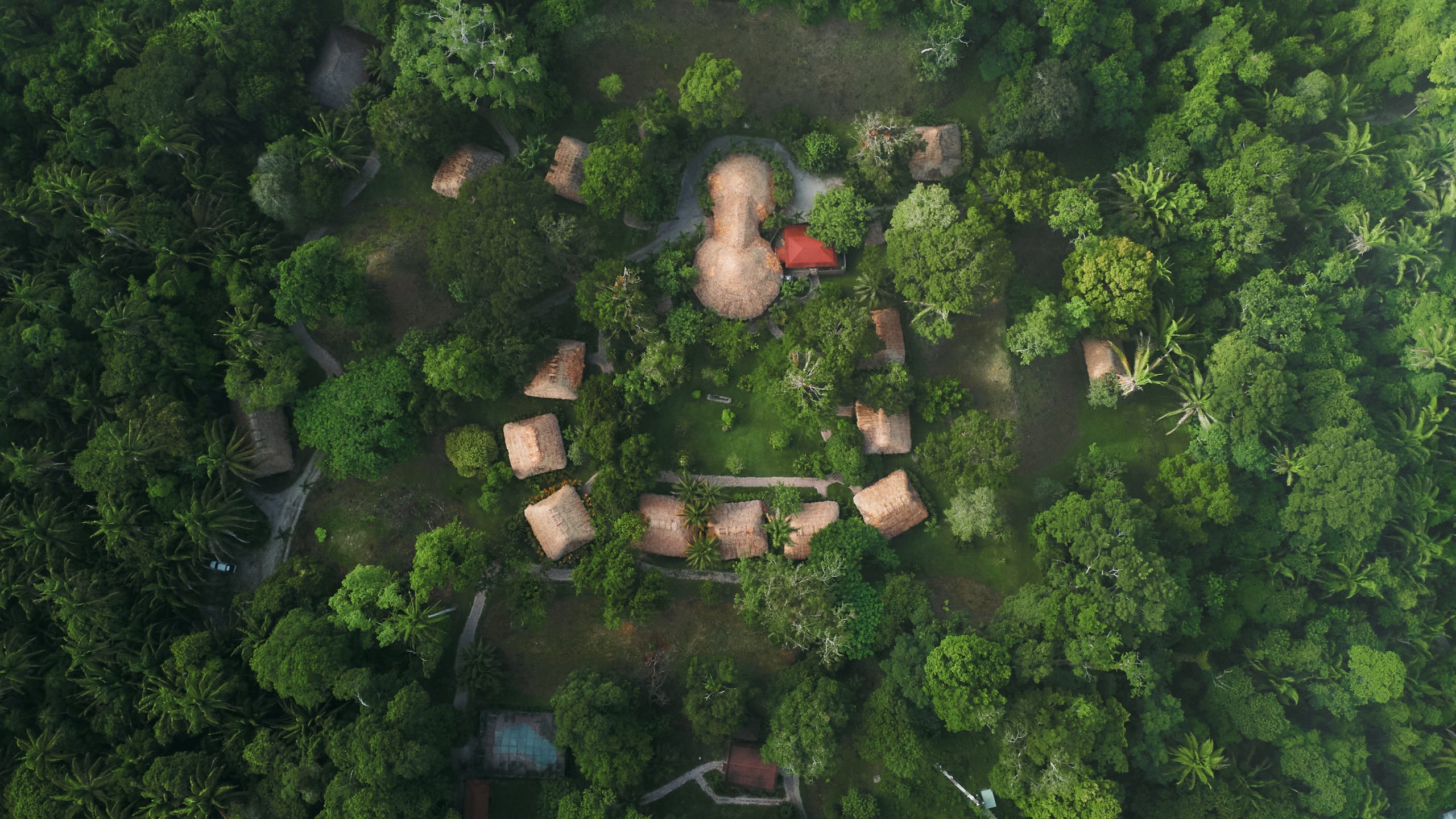
The creation of the Tri-National Biocultural Reserve is a hopeful reminder that collaboration can safeguard the future of our planet’s wild places. At Chan Chich Lodge, guests have the rare opportunity to be part of this story: to explore the Maya Forest, support sustainable tourism, and experience one of the most significant conservation regions in the world.
Visitors here experience firsthand the thriving ecosystems that this new trinational initiative seeks to protect—whether through spotting a puma on a jungle drive, birdwatching in pristine rainforest, or taking a trip through time by exploring ancient Maya sites.
And as the Maya Forest enters a new era of protection, guests have the rare chance to experience its wonders up close while knowing their visit directly supports its preservation.