
Belize may be a small country, but its rainforest is one of the most biologically rich environments on the planet. Scientists, conservationists, and nature travelers alike recognize Belize as a global biodiversity hotspot — a place where an extraordinary variety of plants and animals coexist within a relatively compact area.
For travelers seeking immersive nature experiences, understanding what makes Belize’s rainforest so special transforms a simple vacation into a deeper appreciation of one of Earth’s most remarkable ecosystems.
A Rare Ecosystem That Remains Largely Intact
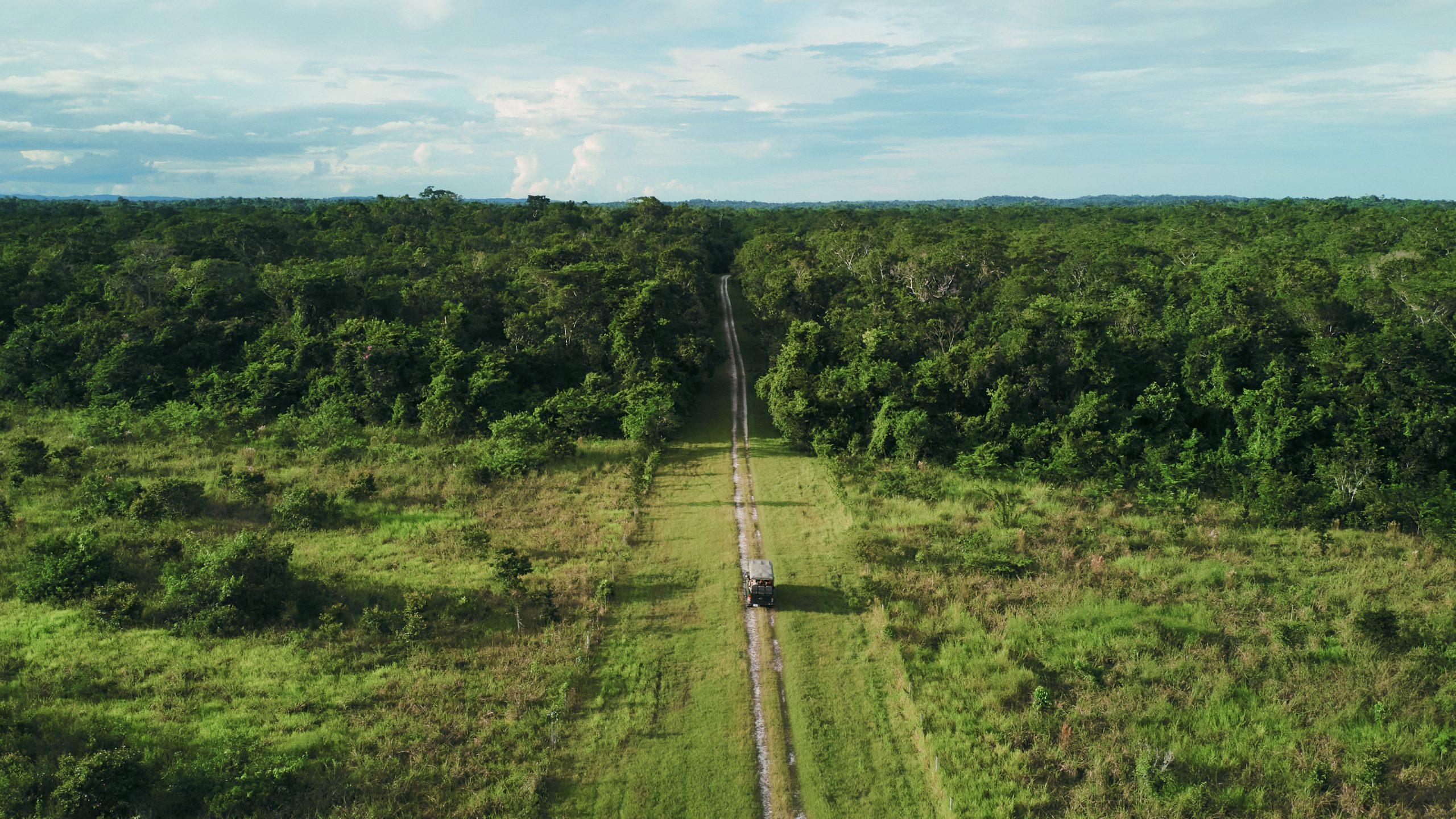
One of the biggest reasons Belize’s rainforest is so biodiverse is simple: it’s still largely untouched.
Unlike many tropical regions that have experienced heavy deforestation, Belize has protected vast portions of its natural landscape. 36% of the country is under environmental protection, including national parks, wildlife sanctuaries, and private conservation reserves.
This intact habitat allows species to thrive without the pressures that threaten wildlife elsewhere, such as urban expansion, industrial agriculture, or overdevelopment. Large tracts of connected forest also allow animals to migrate, hunt, and reproduce naturally — essential factors for maintaining biodiversity.
Where Multiple Ecosystems Meet
Belize sits at a unique geographic crossroads between Central America, the Caribbean, and North America. Because of this location, its rainforest supports species from multiple ecological regions. Within short distances, you’ll find:
- Tropical broadleaf forests
- Pine savannas
- Wetlands
- River valleys
- Limestone hills
- Seasonal floodplains
Each micro-environment supports different species, multiplying the total number of plants and animals found across the country. This ecological overlap is one of the main reasons Belize contains thousands of plant species and hundreds of bird, mammal, reptile, and insect species.
Wildlife You Can See Nowhere Else
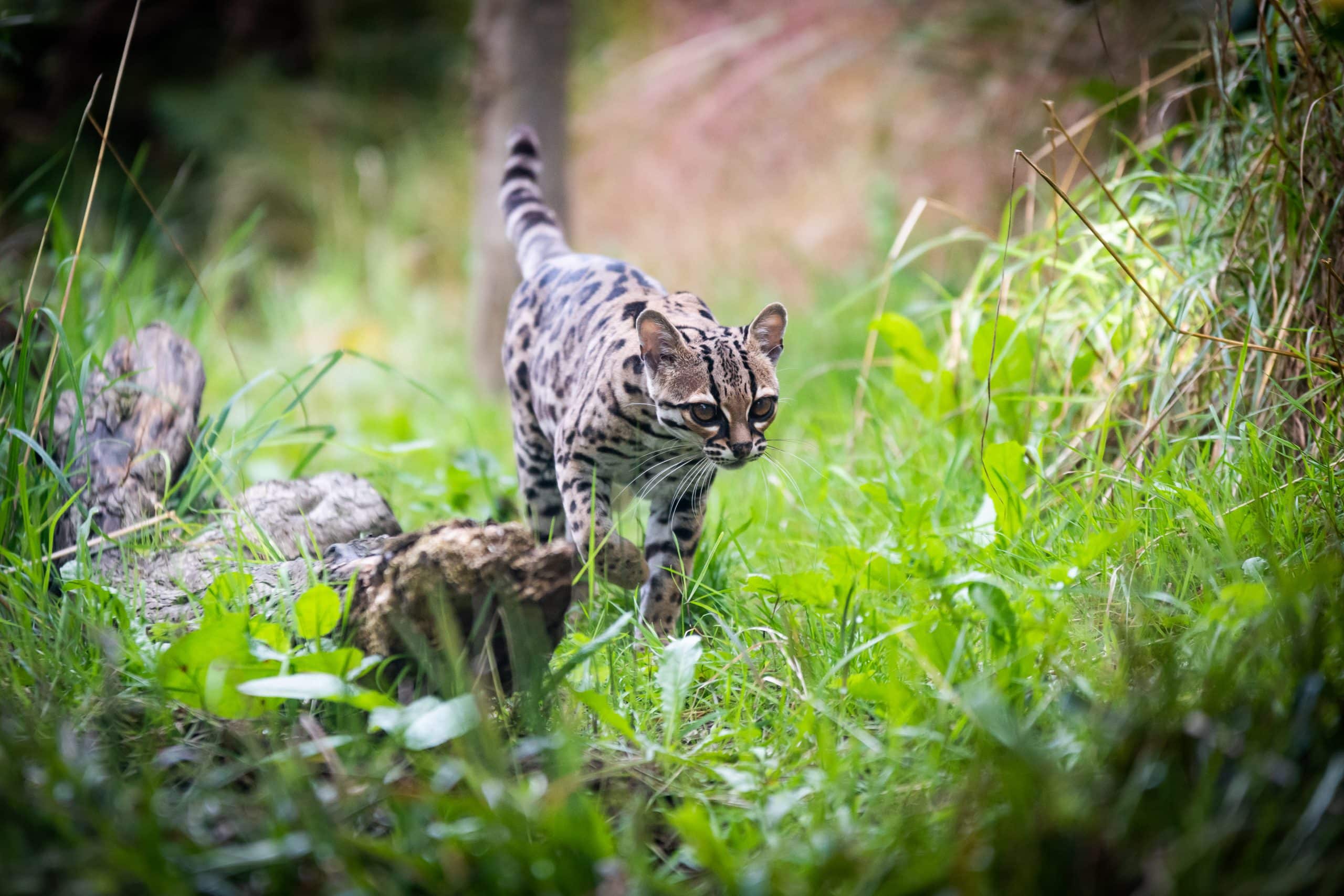
Belize’s rainforest is home to an astonishing range of wildlife, including rare and endangered species that are difficult to spot elsewhere in the world.
Iconic Mammals
- Jaguars
- Ocelots
- Tapirs (Belize’s national animal)
- Howler monkeys
- Spider monkeys

Birdlife Paradise
Belize is considered one of the top birdwatching destinations globally, with 600+ recorded bird species. Birders travel from around the world to see:
- Keel-billed toucans
- Scarlet macaws
- Motmots
- Trogons
- Hawks and raptors
Reptiles, Amphibians, and Insects
The forest floor and waterways host equally impressive diversity:
- Tree frogs
- Iguanas
- Boa constrictors
- Rare butterflies
- Bioluminescent insects
Many of these species serve crucial ecological roles — pollinating plants, dispersing seeds, and maintaining balanced food chains.
Why Scientists Call Belize a Biodiversity Hotspot
A biodiversity hotspot is defined as a region with exceptionally high species richness combined with significant habitat conservation value. Belize qualifies for several reasons:
1. High Species Density
Because so many habitats overlap, Belize packs enormous biological diversity into a relatively small land area.
2. Endemic Species
Some species found in Belize exist nowhere else on Earth. These endemic organisms increase the scientific importance of the region and make conservation critical.
3. Migration Corridor
Belize lies along major migratory routes for birds traveling between North and South America. During migration seasons, species counts can increase dramatically.
4. Healthy Predator Populations
Large predators like jaguars and raptors still roam Belize’s forests — a strong indicator of ecosystem health. In many parts of the world, predators disappear first when ecosystems are stressed. Their presence here signals balance and resilience.

The Role of Conservation Lodges
Sustainable tourism has become one of the most effective ways to protect Belize’s rainforest. Carefully managed eco-lodges provide visitors with access to nature while funding conservation and supporting local communities.
Chan Chich Lodge, located within a private reserve in northwestern Belize aims to serve as a model and demonstrate how tourism and conservation can work together. Revenue supports habitat protection. Guides educate visitors about wildlife. Scientific research is often hosted onsite and local communities benefit economically
This model creates a powerful incentive to preserve forest rather than clear it.
A Living Laboratory for Science
Researchers from around the world travel to Belize to study everything from tropical botany to jaguar behavior. The country’s intact ecosystems make it an ideal location for wildlife tracking studies, climate change monitoring, plant medicine research, bird migration tracking and insect biodiversity surveys
Because the rainforest remains so healthy, scientists can observe natural processes that have disappeared elsewhere.
Climate Stability Helps Biodiversity Thrive
Belize’s tropical climate plays a major role in sustaining biodiversity. Warm temperatures and seasonal rainfall create ideal growing conditions for plants year-round.
This continuous plant growth forms the foundation of the ecosystem:
Plants → Insects → Birds → Mammals → Predators
The stability of this cycle allows species populations to remain balanced and diverse.
The Rainforest Canopy: A World Above the Ground
Much of the rainforest’s biodiversity exists not on the forest floor, but high above it in the canopy. This elevated layer acts almost like a separate ecosystem.
In the canopy you’ll find:
- Orchids and bromeliads growing on branches
- Arboreal mammals
- Nesting birds
- Pollinating bats
- Rare insects
Because the canopy is difficult for humans to access, it remains one of the least disturbed habitats in the forest — which helps explain its incredible diversity.
Cultural History Enhances Ecological Value
Belize’s rainforest isn’t only biologically important — it’s culturally significant as well. Ancient Maya civilizations lived in and around these forests for centuries, developing sophisticated agricultural and architectural systems that worked in harmony with nature.
Many archaeological sites remain hidden within the jungle, surrounded by wildlife and towering trees. These ruins add another layer of intrigue and significance to the landscape, blending natural and human history.

Best Time to Experience Belize’s Rainforest Wildlife
Wildlife viewing is excellent year-round, but different seasons offer different highlights:
|
Season |
What You’ll See |
|---|---|
|
Dry Season (Nov–May) |
Easier hiking, birdwatching, wildlife visibility |
|
Green Season (Jun–Oct) |
Lush landscapes, migratory birds, fewer crowds |
|
Migration Months |
Peak bird diversity |
For photographers and birders, early morning and dusk are the most active wildlife periods.
Why Biodiversity Matters to Travelers
Biodiversity isn’t just a scientific concept — it directly shapes your travel experience. The richer an ecosystem is, the more you can see, hear, and discover.
In Belize’s rainforest, that means:
- Hearing howler monkeys at sunrise
- Spotting colorful birds from your veranda
- Watching butterflies drift through sunlit trails
- Seeing fresh jaguar tracks on jungle paths
Instead of staged or artificial experiences, visitors witness nature unfolding exactly as it has for thousands of years.
The Future of Belize’s Rainforest
While Belize’s rainforest remains one of the healthiest in the world, conservation is an ongoing effort. Sustainable tourism, environmental education, and protected reserves all play vital roles in preserving this ecosystem for future generations.
Travelers who choose eco-friendly lodges and responsible tours actively contribute to protecting biodiversity. Every visit supports conservation initiatives that help keep Belize wild, thriving, and biologically extraordinary. To learn more about visiting Chan Chich Lodge, click here.